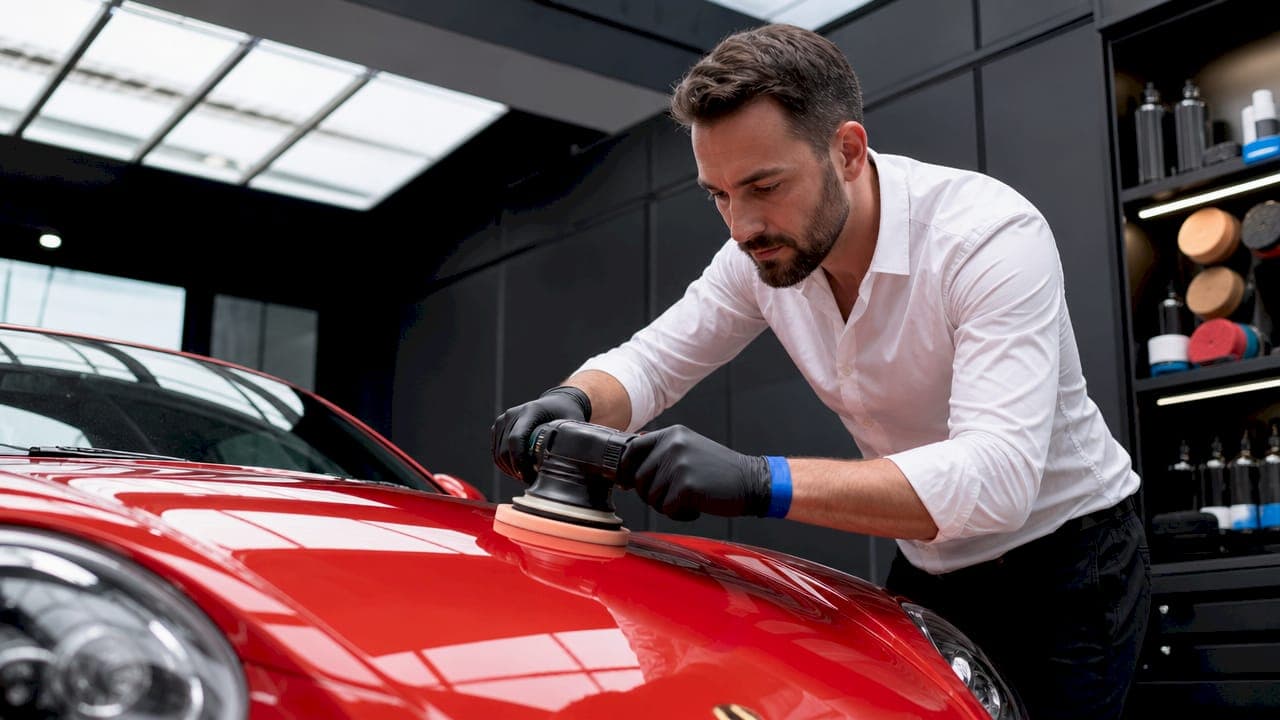
Paint correction is defined as the controlled removal of clear coat imperfections through machine or hand polishing, restoring a vehicle's paint to its original clarity and depth. Not all paint defects are equal, and the types of paint correction services available reflect that reality. From a single polishing pass on a daily driver to wet sanding a neglected luxury car, each method targets a specific level of damage. Choosing the wrong service wastes money at best and removes too much clear coat at worst. This guide breaks down every major correction method so you can walk into any shop knowing exactly what your paint needs.
1. What are the types of paint correction services?
Paint correction services fall into three primary categories: single-stage, two-stage, and three-stage correction, with wet sanding as an advanced subset of the third. The right correction stage depends on defect depth, paint hardness, and how much clear coat remains. A professional detailer reads all three factors before touching a pad to your car.
Understanding these categories matters because each one removes a measurable amount of clear coat. A vehicle can only sustain 1–2 full multi-stage corrections in its lifetime. That fact alone makes choosing the correct service the most important decision in the process.
2. Single-stage paint correction: light defects, fast results
Single-stage correction uses one polishing step with a medium-cut compound or an all-in-one polish to remove light surface defects. It is the fastest and least aggressive correction method available.
Defects addressed by a single-stage correction include:
- Light swirl marks from improper washing
- Minor water spots and surface haze
- Faint oxidation on newer paint
- Dull finish caused by environmental fallout
This service suits daily drivers with paint in generally good condition that has lost some gloss over time. It does not address deep scratches or heavy swirls. Single-stage correction costs less and takes fewer hours than multi-stage work, making it a practical choice for owners who maintain their vehicles regularly.
Pro Tip: If your paint looks dull under direct sunlight but shows no deep scratches under a detailing light, single-stage correction is likely all you need. Paying for a two-stage service on lightly defected paint is unnecessary spending.
3. Two-stage paint correction: the professional standard
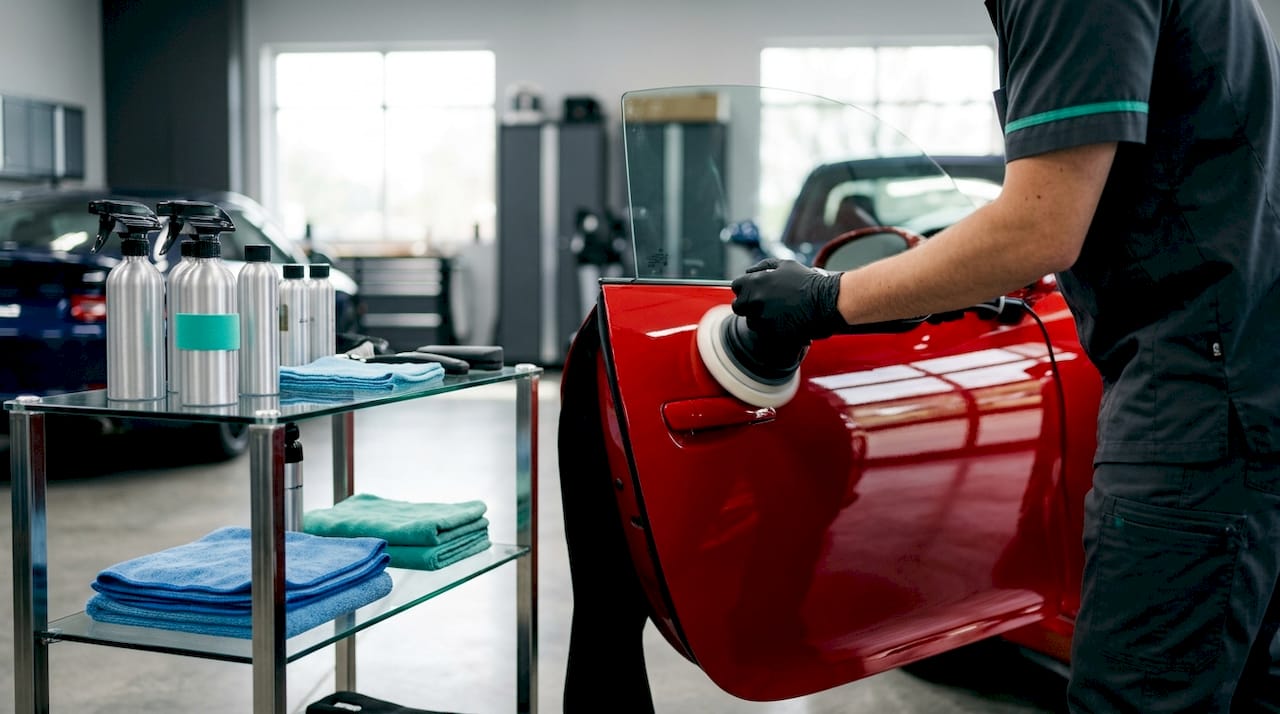
Two-stage correction is the most common professional approach and the industry standard before applying any long-term paint protection. The first stage uses a heavy-cut compound to remove moderate swirl marks, scratches, and water etching. The second stage follows with a finishing polish to refine clarity and maximize gloss.
This method is required before ceramic coatings or paint protection film. Applying a ceramic coating without prior correction permanently seals in every swirl and scratch, degrading both the coating's appearance and its protective value. Ceramic coatings can last 3–10 years, which means locked-in defects stay visible for years.
Here is what a professional two-stage correction typically involves:
| Stage | Tool and Product | Purpose |
|---|---|---|
| Stage 1 | Rotary or dual-action polisher with cutting compound | Removes swirls, scratches, and moderate etching |
| Stage 2 | Dual-action polisher with finishing polish | Refines surface, removes haze, maximizes gloss |
| Inspection | LED lighting and paint thickness gauge | Confirms defect removal and clear coat safety |
Two-stage correction suits vehicles with moderate paint defects, cars being prepared for ceramic coating, and any vehicle where the owner wants a showroom-quality result. The process takes longer and costs more than single-stage work, but the finish quality is night and day.
Pro Tip: Always ask your detailer to measure paint thickness before and after correction. A professional who skips this step is guessing at how much clear coat remains, and that guess can cost you your paint.
4. Three-stage and wet sanding correction: severe damage only
Three-stage correction adds a wet sanding or ultra-heavy cutting step before the standard two-stage process. This is the most aggressive correction method and addresses defects that polishing alone cannot remove.
Defects that require three-stage or wet sanding correction include:
- Heavy oxidation on neglected or sun-damaged paint
- Deep scratches that have not reached bare metal
- Severe acid etching from bird droppings or industrial fallout
- Orange peel texture from factory or respray paint application
- Buffer trails left by improper previous correction attempts
Wet sanding uses ultra-fine sandpaper, typically 1500 to 3000 grit, to level the paint surface before polishing. The risk is significant. Removing too much clear coat in one session can leave the paint too thin to protect the underlying color layer. A skilled detailer balances maximum defect removal with minimal clear coat loss, and that balance requires experience and proper measurement tools.
| Correction Level | Defects Addressed | Risk Level | Recommended For |
|---|---|---|---|
| Single-stage | Light swirls, haze, minor water spots | Low | Well-maintained daily drivers |
| Two-stage | Moderate swirls, scratches, etching | Medium | Pre-coating prep, most vehicles |
| Three-stage / wet sand | Heavy oxidation, deep scratches, orange peel | High | Severely neglected or show vehicles |
Three-stage correction is a professional-only service. Attempting wet sanding without experience, proper lighting, and a paint thickness gauge creates irreversible damage. The cost reflects the skill and time required, and the results on a neglected vehicle are genuinely dramatic.
5. How hand polishing and machine polishing differ
Hand polishing uses foam or microfiber applicator pads with polish applied by hand pressure. It works for very light haze or isolated small spots, but hand polishing is less effective and far more labor intensive than machine polishing for any meaningful defect removal.
Machine polishing divides into two main tool types:
- Dual-action polishers: The pad oscillates and rotates simultaneously, reducing heat buildup and the risk of burning through clear coat. This is the safer option and the standard tool for most professional correction work.
- Rotary polishers: The pad spins in a single direction, generating more cutting power and heat. Rotary polishers remove heavier defects faster but require significant experience to use without causing holograms or burn-through.
DIY paint correction risks include clear coat burn-through and hologram patterns caused by improper pad speed, pressure, or product selection. Professional detailers use paint thickness gauges and inspection lighting under LED or halogen lamps to verify results at every step. That equipment and the skill to interpret it is what separates a professional correction from a DIY attempt that looks good in the driveway but shows every flaw under direct sunlight.
A professional correction process includes inspection under LED lighting, paint thickness measurement, and matching pad aggression and compound type to the specific defect and paint hardness. That process does not happen with a random orbital and a bottle of polish from a parts store.
Key takeaways
The right paint correction service depends on defect severity, clear coat thickness, and the vehicle's long-term protection plan.
| Point | Details |
|---|---|
| Match service to defect depth | Single-stage suits light haze; two-stage handles moderate damage; three-stage addresses severe defects. |
| Protect before coating | Two-stage correction is required before ceramic coating to avoid sealing in imperfections. |
| Clear coat is finite | A vehicle can sustain only 1–2 full multi-stage corrections in its lifetime, so choose carefully. |
| Machine beats hand | Dual-action polishers deliver safer, more consistent results than hand polishing for real defect removal. |
| Skill matters most | Paint thickness gauges and LED inspection lighting separate professional results from DIY outcomes. |
What I have learned after correcting over 1,500 vehicles
The most common mistake I see is owners choosing a correction package based on price or a flashy name rather than what their paint actually needs. A well-executed single-stage correction on lightly defected paint will outperform a rushed two-stage job every time. Detailers with proven portfolios deliver better results than shops that sell aggressive packages to every customer regardless of paint condition.
The second thing I tell every customer is that paint correction is not a reset button you can press repeatedly. Clear coat removal is permanent, and over-polishing thin paint creates problems that no amount of future correction can fix. The goal is always to remove the minimum amount of clear coat necessary to achieve the desired result.
Maintenance is where most owners lose the gains from a quality correction. Proper washing technique, pH-neutral soaps, and a maintenance detailing plan after correction extend the life of your paint dramatically. A corrected car that gets run through an automatic wash every two weeks will look worse within months than a car that never got corrected but gets hand washed carefully.
My honest advice: look at a detailer's before and after work under real lighting, not just filtered photos. Ask how they measure paint thickness. Ask what happens if they cause damage. The answers tell you everything about whether they are worth trusting with your paint.
— Bryan's
Bryansdetailingomaha paint correction services in Omaha and Bellevue
Bryansdetailingomaha has corrected over 1,500 vehicles across Omaha and Bellevue with a 4.9 Google rating built on technical precision and honest recommendations. Every correction starts with a full paint inspection under LED lighting and a paint thickness measurement before a single pad touches your car.

Single-stage, two-stage, and multi-stage correction packages are available, each matched to your vehicle's actual paint condition rather than a fixed menu. Bryansdetailingomaha also offers ceramic coating services following correction and ongoing maintenance detailing to protect your investment long term. Mobile service is available, bringing showroom-quality correction to your driveway. Request a quote or view real correction results in the before and after gallery to see exactly what professional correction looks like on vehicles like yours.
FAQ
What is paint correction, and how does it work?
Paint correction is the process of removing clear coat imperfections through controlled polishing with compounds and machine polishers. A professional removes defects like swirl marks, scratches, and oxidation by leveling the clear coat surface to restore clarity and gloss.
How many stages of paint correction does my car need?
The number of stages depends on defect severity. Light haze needs one stage, moderate swirls and scratches need two stages, and severe oxidation or deep scratches require three stages or wet sanding.
Is paint correction required before ceramic coating?
Yes. Applying ceramic coating over uncorrected paint permanently seals in every imperfection, which degrades the coating's appearance for its entire lifespan of 3–10 years.
Can I do paint correction at home?
Hand polishing removes only the lightest surface haze. DIY machine polishing without a paint thickness gauge and proper inspection lighting risks clear coat burn-through and hologram patterns that require professional correction to fix.
How long does paint correction last?
A corrected finish lasts as long as the clear coat is protected and maintained properly. Regular hand washing, pH-neutral products, and periodic maintenance detailing preserve correction results for years.